
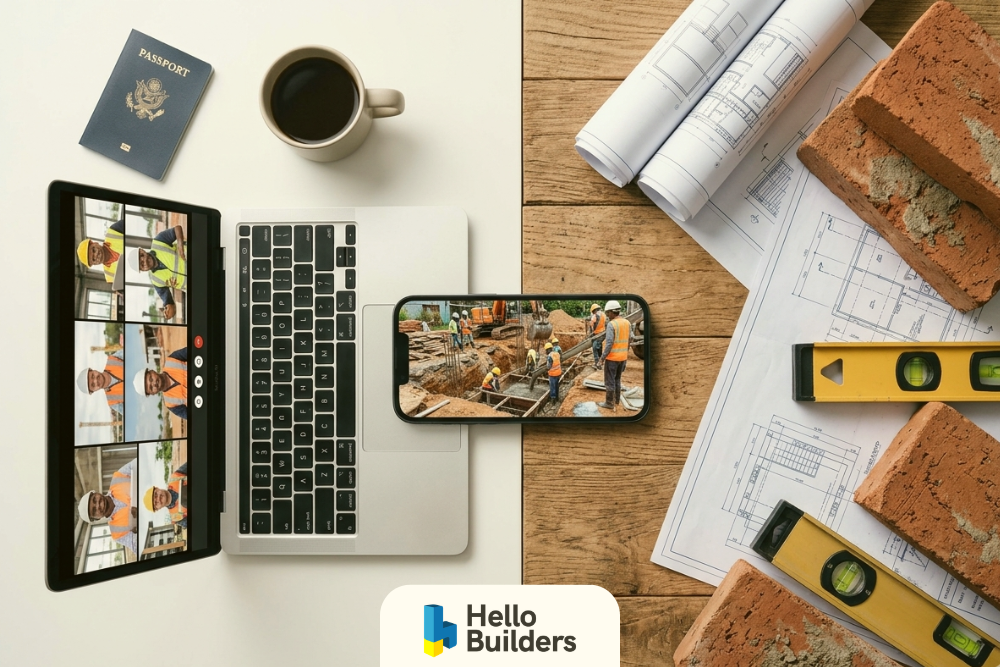
How to Work with House Builders in Sri Lanka Without Being There: A Step By Step Guide for 2026
Building a house in Sri Lanka while living overseas can feel overwhelming. From choosing the right land to finding a reliable builder and managing construction from afar, there are many steps to consider.
If you want to avoid costly mistakes, stay in control, and ensure your project runs smoothly, this step-by-step guide for 2026 will show you exactly how to work with house builders in Sri Lanka without being there. Keep reading to learn how to plan, hire, and manage your build from anywhere in the world.
Why People Build Houses in Sri Lanka While Living Overseas
Many Sri Lankans living abroad choose to build a house back home even if they are not physically present. With better income opportunities overseas, building a property in Sri Lanka often becomes a long-term goal that offers both financial and personal benefits.
Common Reasons
- Investment: Building a house is seen as a solid investment. Property values in many parts of Sri Lanka continue to grow, especially in areas close to cities, beaches, and tourist zones. Some people build with the plan to rent out the property or sell it later for a profit.
- Retirement Plans: Many overseas workers plan to return to Sri Lanka in the future. Building a house early allows them to prepare for retirement while spreading out construction costs over time.
- Family Use: Some build houses for their parents, spouse, or children who are already living in Sri Lanka. It can also serve as a permanent home for future visits, holidays, or long stays.
Challenges of Managing a Project Remotely
While the idea is appealing, building a house from abroad comes with real challenges.
- Limited On-Site Control: You won’t be there to monitor daily progress, which makes it harder to catch mistakes or delays early.
- Communication Gaps: Time zone differences and unclear communication can lead to misunderstandings between you and the builder or team.
- Trust Issues: Since you rely on others to manage the work, choosing the wrong builder or supervisor can lead to poor results or even financial loss.
- Payment Risks: Sending money from overseas without proper checks in place can be risky, especially if payments are not tied to progress.
Building a house in Sri Lanka while living overseas is definitely possible, but it requires careful planning, the right people, and a system to stay in control from a distance.
Now that you know why many people take this path and the challenges involved, let’s go step by step through how to plan, hire, and manage your build from abroad the right way.
Step 1: Plan Your Budget and Goals
Before you hire anyone or buy anything, you need a clear plan for what you want to build and how much you can afford. This step sets the foundation for everything that follows.
Decide the Type of House You Want
Start by being clear about your goal. Are you building a simple home for family use, a modern house for retirement, or a property for rental income?
Think about:
- Size of the house (number of rooms, floors)
- Style (modern, traditional, or mixed)
- Purpose (living, renting, or holiday use)
Having a clear idea early helps avoid changes later, which can increase costs.
Set a Realistic Budget
Your budget should cover more than just construction.
Make sure you include:
- Land cost (if not already purchased)
- Construction costs (labour + materials)
- Architect and design fees
- Permits and approvals
- Utility connections (water, electricity)
Avoid guessing. Speak to professionals early to get rough estimates.
Keep a Buffer for Unexpected Costs
No matter how well you plan, extra costs will come up. Set aside at least 10%–20% extra on top of your total budget.
This helps you handle:
- Material price increases
- Design changes
- Delays or site issues
Without a buffer, even small problems can stop your project.
Plan for Exchange Rate Changes
If you’re earning in a foreign currency and sending money to Sri Lanka, exchange rates can affect your budget more than you expect.
For example, even small rate changes can increase your total cost when converting to Sri Lankan Rupees.
To manage this:
- Send money in stages instead of all at once
- Track exchange rate trends before large transfers
- Keep extra funds in case the rate moves against you
- Consider using reliable remittance services with better rates
A clear budget and defined goal will help you avoid stress later and make better decisions when dealing with architects, builders, and payments.
Step 2: Choose the Right Location and Sort the Legal Side
Choosing the right land is just as important as choosing the right builder. When you’re overseas, this step needs extra care because mistakes here can be costly and difficult to fix later.
Popular Areas to Build in Sri Lanka
Where you build depends on your goal.
- Colombo & Suburbs – Higher land prices but strong resale value and rental demand
- Negombo & Coastal Areas – Good for holiday homes and rental properties
- Kandy – Popular for retirement and peaceful living
- Galle & Southern Coast – High demand for tourism and villas
- Outstation Areas – Lower land cost but may have limited infrastructure
Factors to Consider
Before buying land, look beyond just the price.
- Access: Road condition, width, and ease of reaching the property
- Utilities: Availability of water, electricity, and internet
- Flood Risk: Check if the area is prone to flooding during heavy rain
- Resale Value: Future demand and development in the area
- Surroundings: Nearby schools, hospitals, shops, and safety of the neighborhood
Check the Title Deed and Do a Pedigree Check
This is one of the most important steps.
- Verify the title deed is clear and legally valid
- Conduct a pedigree check for 25–30 years to confirm ownership history
- Make sure there are no disputes, loans, or claims on the land
Never rely only on what the seller says. So, always verify documents properly.
Hire a Local Lawyer Before Buying Land
If you’re overseas, a trusted local lawyer is essential.
They will:
- Verify all legal documents
- Handle the land transfer process
- Make sure there are no hidden legal issues
This step can save you from serious problems later.
Set Up Power of Attorney
Since you are not physically present, you may need someone in Sri Lanka to act on your behalf. A Power of Attorney (POA) allows a trusted person (family member or lawyer) to:
- Sign documents
- Handle payments
- Manage legal processes
Furthermore, ensure it is properly drafted and legally registered, and clearly define what authority they have.
Verify Zoning Laws and UDA Regulations
Before finalizing your land, confirm what you are allowed to build. Check with the Urban Development Authority (UDA) or local council for:
- Zoning restrictions (residential, commercial, etc.)
- Building height limits
- Setback rules (distance from boundaries)
- Road access requirements
Ignoring these rules can delay approvals or even stop your project. Choosing the right location and handling the legal side properly will protect your investment and prevent major issues later.
Step 3: Hire an Architect and Get Your Plans Approved
Before you even think about hiring a builder, you need proper house plans. This is where an architect becomes essential, especially when you’re managing everything from overseas.
Why You Need an Architect Before You Talk to Any Builder
An architect turns your ideas into clear, buildable plans.
Without proper drawings:
- Builders will give rough or inaccurate cost estimates
- You may face confusion during construction
- Mistakes and changes can increase your costs
With a complete design, builders can price the project properly and follow a clear plan.
How to Review Portfolios and Past Work Remotely
Since you’re not in Sri Lanka, you’ll need to review architects online.
Here’s how to do it:
- Ask for photos and videos of completed projects
- Request floor plans and design samples
- Check if they have experience with similar house types
- Look for consistency in quality and style
You can also schedule video calls to discuss their previous work in detail.
Agree on Design, Layout, and Timeline
Once you choose an architect, make sure everything is clearly agreed before moving forward.
This includes:
- Final house design and layout
- Room sizes and overall structure
- Project timeline for design completion
Avoid leaving anything unclear at this stage, as changes later can be expensive.
Design for Sri Lanka’s Climate
Sri Lanka’s weather has a big impact on how your house should be designed.
Make sure your design considers:
- Heat: Proper ventilation and shading to keep the house cool
- Humidity: Materials that resist moisture and mold
- Heavy Rain: Good drainage systems and strong roofing
A well-designed house will reduce future maintenance and improve comfort.
Get Your Plan Approved by the Local Council or UDA
Before construction starts, your plans must be approved by the local authority or the Urban Development Authority (UDA).
This process checks:
- Whether your design follows local building rules
- If the land is suitable for construction
- Compliance with zoning and safety standards
Your architect usually handles this process, but you should stay informed.
Have a Good Understanding of Permit Costs and Timelines
Approvals are not instant, so you need to plan ahead.
- Permit costs can vary depending on location and house size
- Approval timelines can take several weeks to a few months
- Delays can happen if documents are incomplete
Additionally, make sure all required documents are submitted correctly and you factor approval time into your overall schedule. Getting the right architect and approved plans will make the construction process much smoother and reduce risks later.
Step 4: Find and Verify a Trusted House Builder
Finding the right builder is one of the most critical steps when building a house from overseas. A trustworthy builder ensures quality work, stays on schedule, and communicates effectively.
Where to Find Builders
You have several options to find reputable builders in Sri Lanka:
- Recommendations: Ask friends, family, or colleagues living in Sri Lanka
- Online Platforms: Search websites, social media pages, and builder directories
- Real Estate Agents: Many agents can recommend experienced builders they’ve worked with
How to Check Experience and Past Projects from Overseas
Even if you can’t visit in person, you can still verify a builder’s work:
- Request photos, videos, and references from completed projects
- Ask for a list of previous clients and contact them if possible
- Check if the builder is registered and licensed
- Look for experience in your type of house and location
Questions to Ask Before Hiring
Make sure you ask these key questions:
- How long have you been in the construction business?
- Can you provide a detailed itemized cost estimate?
- Do you handle all permits and approvals?
- What is the expected timeline for the project?
- Who will supervise the construction daily?
General Contractor vs. Design-Build Company: What are the Key Differences
Here’s a simple comparison to help you decide:
| Feature | General Contractor | Design-Build Company |
| Handles design | No | Yes, offers integrated design and construction |
| Responsibility | Follows architect’s plan | Manages both design and construction |
| Cost | Often lower upfront | Can be higher but reduces changes and delays |
| Communication | Separate with architect | Single point of contact |
| Best For | Custom designs with separate architect | Turnkey projects with one team |
Warning Signs to Avoid
Watch out for these red flags when hiring a builder:
- Vague pricing or unclear estimates
- No itemized cost breakdown
- Pressure to pay large sums upfront
- Poor or slow communication
- Reluctance to provide references
Verifying your builder thoroughly is essential to avoid costly mistakes later. A reliable builder is the key to a smooth construction process, even from abroad.
Step 5: Set Up a Clear Contract
A clear contract is the backbone of any construction project, especially when you are managing it from overseas. It protects you financially, ensures the builder understands expectations, and reduces disputes during the build.
What to Include in the Agreement
Make sure your contract covers the following key points:
- Scope of Work: Detailed description of all construction tasks
- Materials and Specifications: Type, quality, and brand of materials to be used
- Timeline: Start and expected completion dates
- Payment Terms: How and when payments will be made
- Permits and Approvals: Who is responsible for approvals
- Change Orders: How design changes or additions will be handled
- Dispute Resolution: Method to resolve disagreements
Milestone-Based Payments vs. Lump Sum
Paying the builder in stages tied to project milestones is generally safer than paying a lump sum upfront. Here’s a comparison:
| Payment Type | How it Works | Pros | Cons |
| Milestone-Based | Payment released after completion of each stage (foundation, structure, roofing, finishing) | Reduces risk, encourages timely work, easier to track progress | Requires clear milestone definitions |
| Lump Sum | Full payment given upfront or in very few installments | Simple, less paperwork | High risk if builder delays or quality is poor |
Timeline and Penalty Clauses for Delays
Include clear deadlines for each stage of construction. A good contract should also define:
- Penalties for late completion (e.g., a percentage deduction for each week delayed)
- Incentives for early or on-time completion (optional but encourages efficiency)
This ensures both parties understand expectations and reduces the chance of prolonged delays.
How to Handle Change Orders in Writing
Changes to the original plan are common, but verbal agreements are risky. Always:
- Record every change in writing
- Include the cost impact and timeline adjustment
- Get signatures from both you and the builder
Documenting changes prevents disputes and ensures clarity for everyone, especially when you are managing the project remotely.
Having a detailed contract with milestone payments, clear timelines, and written change orders is essential to keep your remote build on track and avoid costly misunderstandings.
Step 6: Put a Trusted Person on the Ground
When you are building a house from overseas, having a reliable local point of contact is essential. They act as your eyes and ears, ensuring the project runs smoothly while you manage things remotely.
Why You Need a Local Point of Contact
A trusted person on-site can:
- Monitor daily construction progress
- Verify that work meets the contract and quality standards
- Communicate issues to you quickly
- Handle minor decisions without constant approval
Without someone local, small problems can escalate into costly mistakes.
Site Supervisor vs. Quantity Surveyor
Understanding the roles of on-site professionals helps you decide who to hire.
| Role | Responsibilities | Benefits |
| Site Supervisor | Manages day-to-day construction, coordinates workers, ensures materials are used correctly | Keeps work organized, monitors quality, reports progress |
| Quantity Surveyor | Monitors costs, prepares payment schedules, checks material usage, advises on budget | Controls expenses, prevents overspending, ensures proper billing |
For most remote builds, a site supervisor is essential, and a quantity surveyor can be added for larger projects or higher budgets.
What to Look for When Hiring a Site Supervisor or Project Manager
Choose someone with:
- Experience with similar house types and projects
- Strong communication skills
- Reliability and trustworthiness
- Knowledge of local regulations and construction practices
Ask for references and, if possible, speak to past clients to confirm their performance.
Giving Clear Authority Without Losing Control
To manage effectively from abroad:
- Provide written instructions and limits of authority
- Define decisions they can make independently and those requiring your approval
- Set up regular updates (photos, videos, reports) to stay informed
- Keep all communication documented
This balance allows your local contact to act efficiently while keeping you in control of important decisions. Having the right person on the ground ensures your remote project runs smoothly, reduces delays, and protects your investment.
Step 7: Set Up Remote Communication
Managing a construction project from overseas is only possible if you have a reliable communication system. Clear, consistent updates help you stay informed and address issues before they become costly problems.
Pick One Main Communication Channel and Stick to It
Choose a primary way to communicate with your builder, architect, and on-site contact, such as:
- WhatsApp – quick messages, voice notes, and photos
- Zoom – video calls for detailed discussions and virtual walkthroughs
- Email – formal updates and document sharing
Using one main channel avoids confusion and keeps all communication organized.
Decide How Often to Get Updates
The frequency of updates depends on the stage of construction:
- Early Stages (foundation, structure): Daily or every other day to catch early mistakes
- Middle Stages (plumbing, electrical, roofing): Weekly updates are usually sufficient
- Finishing Stages: Twice a week or weekly, depending on pace
Consistency helps you track progress without micromanaging.
Ask for Photos, Videos, and Written Progress Reports
Request regular evidence of work completed:
- Photos of each stage of construction
- Short videos showing the progress on-site
- Written reports summarizing what was done, materials used, and any issues
Documenting progress makes it easier to resolve disputes and verify quality remotely.
Tie Communication Check-Ins to Payment Milestones
Linking updates to payments ensures accountability:
- Payment is released only after you receive proof of work for that stage
- Encourages timely completion and transparency
- Reduces the risk of paying for incomplete or poor-quality work
Effective remote communication is the key to managing your build from abroad. With structured updates and clear reporting, you can stay in control and avoid surprises.
Step 8: Manage Payments Safely from Abroad
Paying for construction while living overseas requires careful planning. Sending money incorrectly or paying too early can lead to financial loss or delays. Here’s how to manage payments safely.
How to Send Money to Sri Lanka for Construction
There are several safe ways to transfer funds:
- Bank Transfers: Directly to the builder’s account; track every transaction
- Remittance Services: Services like Wise or Western Union can be faster and offer better exchange rates
Always confirm bank details with your builder or local contact and use secure channels.
Never Pay Everything Upfront: Use Structure Staged Payments
Avoid giving the full amount before work starts. Instead, break payments into milestones:
- Example: Foundation, structure, roofing, finishing, final handover
- Each payment is released only after you receive proof that the stage is completed
This protects your money and motivates the builder to complete work on time.
Keep Records and Receipts for Every Transaction
Document every payment:
- Save bank transfer receipts and screenshots
- Ask the builder to provide official receipts for all payments
- Keep records of any cash payments made by your local contact
Good documentation is essential if disputes arise or for future reference.
Handle Material Purchases and Cash Payments on Site
Sometimes, materials or labor require cash payments locally:
- Ask your local contact to manage these with receipts
- Provide a clear budget for cash expenses
- Ensure all purchases match the agreed quality and quantity
Proper payment management ensures your money is safe, work progresses as planned, and you avoid unnecessary conflicts with your builder.
Step 9: Monitor Construction Progress Stage by Stage
Even when you’re overseas, keeping a close eye on your house construction is essential. Monitoring progress at each stage helps catch issues early and ensures the project stays on track.
Foundation and Structure: What to Verify Before Moving Forward
The foundation and structure are the backbone of your house. Before approving the next stage, check:
- Foundation depth and reinforcement according to the plan
- Concrete quality and curing process
- Alignment and leveling of walls and beams
- Proper drainage and waterproofing at the base
Mistakes at this stage are costly and hard to fix later, so verify thoroughly.
Plumbing, Electrical, and Roofing: Stage Where Most Mistakes Happen
These systems are critical and often where errors occur:
- Ensure pipes and electrical conduits are installed correctly before covering walls
- Check roof structure and waterproofing to prevent leaks
- Verify material quality matches what was agreed in the contract
This stage requires careful attention because correcting mistakes later is more difficult and expensive.
Request Regular Site Visits and Live Video Walkthroughs
Since you can’t be there in person:
- Ask your local contact or site supervisor to schedule regular video walkthroughs
- Take photos of key areas and compare them with plans
- Consider hiring an independent inspector for critical stages if needed
Visual proof ensures work is progressing as planned.
How to Read Progress Reports When You Are Not on the Ground
Progress reports should be clear and detailed:
- Include completed work, materials used, and any issues encountered
- Highlight upcoming work and timelines
- Ask for photos or videos for areas you can’t see
- Compare actual progress with your agreed schedule
Reading reports carefully allows you to spot delays or problems early, even from abroad. Monitoring construction stage by stage keeps your remote project under control, ensures quality, and prevents costly mistakes down the line.
Step 10: Check Quality and Materials
Ensuring high-quality materials and workmanship is crucial when building a house from overseas. Mistakes or poor-quality materials are harder to fix later and can increase costs significantly.
Confirm That Materials Match the Contract
Always verify that the materials used on-site match what was agreed in your contract:
- Check the brand, type, and grade of materials
- Make sure substitutions are approved in writing
- Pay attention to critical items like cement, steel, roofing, tiles, and fixtures
Using the correct materials ensures your house is safe, durable, and built to your expectations.
Request Receipts and Proof of Purchase for Key Materials
Ask your builder or site supervisor to provide receipts for all major material purchases:
- Cement, steel, and sand
- Tiles, paint, and wood
- Plumbing and electrical fixtures
Receipts provide proof of quality and quantity and help prevent disputes over cost or material substitutions.
Spot Poor Workmanship Early
Catch problems before they become bigger issues:
- Look for uneven walls, cracks, or misaligned fittings
- Check that plumbing and electrical work is installed correctly
- Inspect roofing and drainage for leaks or poor installation
Early detection makes corrections easier and cheaper.
What to Do If Quality Does Not Meet the Standard
If you notice substandard work:
- Document the problem with photos and written notes
- Communicate clearly with the builder or supervisor about corrections
- Refer to your contract to enforce standards
- Delay payment for that stage until the issue is fixed, if necessary
Taking action quickly protects your investment and ensures your house is built to the quality you expect.
Step 11: Handle Delays and Problems
Even with careful planning, delays and problems can occur during construction. Knowing how to handle them from overseas is essential to keep your project on track.
Common Issues That Slow Down Construction Projects in Sri Lanka
Some delays are typical and often unavoidable:
- Weather interruptions, especially during monsoon season
- Late delivery of materials or incorrect orders
- Labour shortages or absentee workers
- Permit or inspection delays from local authorities
- Miscommunication between the builder and on-site team
Being aware of these common issues helps you anticipate problems rather than react blindly.
How to Respond Calmly and Stay in Control from Abroad
When problems arise:
- Stay calm and avoid rushing decisions
- Gather accurate information before taking action
- Communicate clearly with your builder or local supervisor
- Use video calls, photos, or reports to verify the situation
Remaining level-headed allows you to make smart decisions without escalating conflicts unnecessarily.
When to Step In, Escalate, or Consider Changing Contractors
Some problems require stronger action:
- If the builder repeatedly misses milestones without explanation
- If quality issues are ignored or poorly handled
- If communication breaks down and progress stalls
In these cases:
- Escalate the issue using your contractual rights
- In severe cases, consider hiring a new contractor to avoid further loss
Using Your Contract to Hold the Builder Accountable
Your contract is your main tool for enforcement:
- Refer to milestones, payment schedules, and penalty clauses
- Document any issues with photos and written records
- Use the contract to request corrections or compensation if necessary
A well-written contract ensures you have legal backing when enforcing standards, even from abroad.
Step 12: Final Inspection and Handover
The final stage is crucial to ensure your house is complete, meets quality standards, and is legally ready for use. Even from overseas, you can conduct a thorough inspection before making the final payment.
What to Check Before Making the Final Payment
Before releasing the last payment, confirm that:
- All contracted work is completed
- Materials and finishes match the agreed specifications
- Plumbing, electrical, and structural elements are fully functional
- Any previous issues or defects have been fixed
Never pay the final installment until you are confident everything is correct.
How to Do a Virtual Walkthrough
If you cannot visit in person:
- Schedule a video call walkthrough with your local contact or supervisor
- Ask them to show all rooms, fixtures, and critical systems
- Check for finishing details, paint, flooring, and fittings
- Compare what you see with your plans and contract
A detailed virtual walkthrough helps catch small issues before they become bigger problems.
Snag List: Fix Small Issues Before Sign-Off
Create a snag list of minor defects or unfinished work:
- Loose fittings, uneven paint, or small cracks
- Plumbing leaks or electrical outlet issues
- Minor tiling or flooring problems
Send the list to your builder and have them correct the issues in writing before you approve final payment.
Documents You Should Receive at Handover
Ensure you get all necessary paperwork:
- As-built drawings reflecting the final construction
- Warranties for materials and equipment
- Utility connection documents (electricity, water, internet)
- Completion certificates issued by local authorities
These documents are important for future maintenance and legal verification.
Getting Your Certificate of Conformity and Completing Registration
Finally, complete all legal requirements:
- Obtain the Certificate of Conformity from the local authority
- Register your property in your name
- Ensure all permits, inspections, and approvals are properly documented
This makes your property fully legal and ready for occupancy, sale, or rental.
Tips to Avoid Mistakes When Building Remotely
Building a house from overseas comes with unique challenges, but many problems can be avoided with careful planning and clear communication. Here are some essential tips:
Do Not Rush the Hiring Process
Take your time to hire:
- Builders, architects, and site supervisors
- Check portfolios, references, and past projects
- Compare multiple candidates before making a decision
Rushing can lead to hiring the wrong person, which may cause delays, poor workmanship, or financial loss.
Always Document Everything in Writing
Verbal agreements are risky, especially when managing remotely:
- Record decisions, approvals, and changes in writing
- Use emails, contracts, or messages with dates and signatures
- Keep all payment receipts and material purchase records
Written documentation protects you and ensures accountability.
Work Only with Verified Professionals, Not Just Recommended Ones
Even if someone comes highly recommended:
- Verify their credentials, licenses, and past work
- Ask for references and confirm them personally if possible
- Avoid relying solely on word-of-mouth
Working with verified professionals reduces risks and ensures your project stays on track.
Following these simple but important tips will help you manage your build efficiently, even from thousands of miles away.
Pros and Cons of Building a House Without Being There
Building a house remotely has both advantages and challenges. Being aware of these can help you plan better and stay prepared.
| Pros | Cons |
| Save time and travel costs by managing from anywhere | Less direct control over daily work and decision-making |
| Ability to oversee the project while living abroad | Higher risk of miscommunication with the builder or on-site team |
| Access to skilled labor and materials at competitive local prices | Harder to spot mistakes or quality issues immediately |
| Flexibility to manage payments and timelines in stages | Reliance on local contacts or supervisors for critical decisions |
| Can prepare your retirement or investment property in advance | Delays or unexpected issues may take longer to resolve from afar |
Building remotely is possible and can be highly rewarding, but it requires careful planning, trustworthy contacts, and structured communication to avoid costly mistakes.
Estimated Cost of Building a House in Sri Lanka (2026)
Building a house in Sri Lanka can vary a lot depending on design, materials, location, and finishes. Costs in 2026 are still influenced by economic conditions, so prices might continue to change as time goes on.
Average Cost Per Square Foot for Different Build Types
Here are typical construction cost ranges per square foot in Sri Lanka in 2026 (excluding land):
| Finish Level | Approx. Cost per Sq. Ft. (LKR) | Typical Description |
| Basic Finish | 5,500 – 7,500 | Simple materials and finishes |
| Mid‑Range Finish | 8,000 – 12,000 | Good quality materials and modern look |
| Luxury Finish | 13,000 – 20,000+ | High‑end materials, premium fittings |
Important Note: These costs include labour and main materials but do not include land, furniture, landscaping, or major external features. Actual prices may vary widely by location and material choices.
Factors That Affect the Final Cost
Several things can change how much your build will ultimately cost:
- Location: Urban areas like Colombo or nearby suburbs usually cost more due to higher labour and transport charges.
- Design complexity: Curved walls, balconies, or multi‑level homes raise material and labour needs.
- Material quality: Imported fittings, premium tiles, and branded fixtures cost more than standard local materials.
- Soil and foundation conditions: Rocky or uneven land can increase foundation work and costs.
- Labour rates: Skilled workers may charge more, especially for specialised tasks.
- Market fluctuations: Prices of cement, steel, and sand can change quickly with demand and supply.
- Permit and approval fees: Municipal or UDA costs and legal fees add to your budget.
- Hidden costs: Delays, design changes, and utility connections (water, sewer, electricity) can increase expenses beyond initial estimates.
Example Budget Breakdown for a Mid‑Range House
Below is a very rough example budget for a mid‑range home in 2026 (about 1,500 sq. ft.), excluding land:
| Category | Estimated Cost (LKR) |
| Construction (1,500 sq. ft. @ 8,000–12,000/sq.ft.) | 1.2 crore – 1.8 crore |
| Architect & Engineering Fees | 6 lakh – 12 lakh |
| Permits & Approvals | 1 lakh – 2 lakh |
| Utility Connections | 1 lakh – 3 lakh |
| Contingency / Extra Costs | 10% buffer of total |
Total Estimated Budget: ~ 1.3 crore – 2 crore LKR (approximate)
Important Note: These figures are rough guidelines, exact costs can be higher or lower depending on location, design, material choices, and contractor pricing.
Having good understanding these ranges helps you plan your budget realistically before you start hiring builders or signing contracts.
Need Help on Building Your Dream Home?
At Hello Builders, we specialize in turning your vision into reality with high-quality construction, modern designs, and expert project management. From luxury villas to contemporary homes, we handle every step of the process with professionalism and attention to detail.
Here’s why Hello Builders is the trusted choice for homeowners in Sri Lanka:
- Expertise & Quality: We use certified materials and follow best practices to ensure your home is safe, durable, and stylish.
- Comprehensive Services: Architectural design, structural engineering, interior solutions, council approvals, and full project management(all under one roof).
- Customer-Focused Approach: We work closely with you to bring your dream home to life while respecting your budget and timeline.
Take the first step toward your perfect home today. Click below to get in touch with our team!
| Contact Us |
Final Thoughts
Building a house in Sri Lanka while living overseas may seem daunting, but with careful planning, clear communication, and the right local support, it is entirely achievable. From setting your budget and choosing the perfect location to hiring trustworthy architects and builders, every step matters. Using milestone-based payments, regular updates, and verified local contacts helps you maintain control and protect your investment.
By following this step-by-step guide, you can manage construction efficiently, ensure high-quality workmanship, and avoid common pitfalls, all from afar. With preparation and diligence, your dream home in Sri Lanka can become a reality, even if you are thousands of miles away.
Key Takeaways
- Many Sri Lankans living abroad build houses back home for investment, retirement, or family use.
- Careful budgeting with a buffer for unexpected costs is essential when managing a project remotely.
- Choosing the right location involves considering access, utilities, flood risk, and future resale value.
- Legal checks, including title deed verification and Power of Attorney, protect your investment from overseas.
- Hiring an architect before a builder ensures clear, buildable plans and compliance with local regulations.
- Finding a reliable builder requires verifying past projects, asking the right questions, and watching for warning signs.
- A detailed contract with milestone payments, timelines, and change order procedures prevents disputes.
- Having a trusted local contact or site supervisor helps monitor daily progress and maintain quality standards.
- Regular remote communication, progress reports, and virtual walkthroughs allow you to stay in control from abroad.
- Monitoring quality, handling payments safely, and addressing delays promptly are key to completing your house successfully.
FAQs
- Can I build a house in Sri Lanka without being there?
Yes. Many overseas clients manage full construction projects remotely by hiring a trusted builder or project management company. You can sign agreements online, approve designs via email or WhatsApp, and track progress through photos, videos, and scheduled video calls without stepping foot on site.
- How do I supervise a construction project in Sri Lanka from abroad?
The most effective approach combines local support with digital tools. Appoint a trusted local contact or site supervisor to inspect key stages, and back this up with weekly photo and video updates, milestone-based payments, and scheduled video call walkthroughs so you always know what is happening on the ground.
- What documents do I need to build a house in Sri Lanka remotely?
You will typically need the land title deed, municipal or council approvals for your layout and building plans, engineer-certified structural designs, and any NOC or consent letters required for your area. A reliable builder can help you navigate local authority approvals, street line certificates, and bank loan paperwork if you are financing the build.
- How do I choose a reliable house builder in Sri Lanka?
Look for a builder with a verified portfolio, references from past clients, and a detailed Bill of Quantities rather than a vague lump-sum quote. Check online reviews, confirm their experience with similar projects, and make sure they offer remote-client support such as regular progress updates and milestone-based payments.
- How are payments usually handled when working with builders remotely?
Most remote-friendly builders use stage-based payments tied to clear milestones such as foundation, ground slab, roof slab, and finishing. Payments are sent via bank transfer or wire transfer and released only after you verify documented proof of progress, keeping your money protected at every stage.
- How do I ensure my builder isn't cutting corners?
Insist on a detailed BOQ with clear material specifications in your contract, and monitor every stage through photos and videos. For added protection, consider hiring an independent local engineer or quantity surveyor to inspect structural work at critical stages before you approve the next payment.
- Do I need to come to Sri Lanka during construction?
Not necessarily. Many overseas clients complete their entire project without visiting until final handover. That said, an occasional visit at a key stage such as the foundation, roof slab, or final walkthrough can be valuable if you want to inspect quality in person and discuss any changes directly with the team.
- What are the risks of building a house in Sri Lanka from abroad?
The main risks are poor workmanship, project delays, material substitutions, and payment disputes, most of which stem from unclear contracts. You can significantly reduce these risks by choosing a reputable builder, using a written contract with a detailed BOQ and milestone payments, and having a trusted local contact managing oversight on your behalf.