
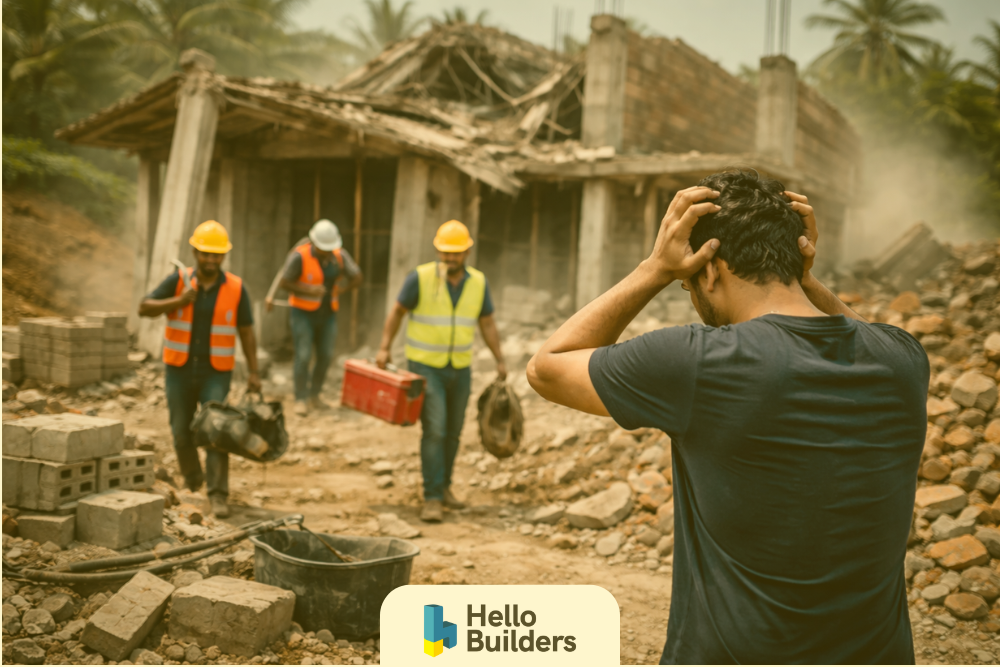
Building your dream home in Sri Lanka is an exciting journey, but one wrong decision can turn it into a costly nightmare. Choosing the wrong builder can lead to poor workmanship, hidden costs, delays, and even safety risks that could haunt you for years.
In this article, we’ll walk you through the common mistakes homeowners make, the risks unique to Sri Lanka, and practical tips to find a reliable builder who can bring your vision to life. We invite you to keep reading our article and learn how to ensure your dream home becomes a reality, not a disaster.
Why Is Choosing the Right Builder Critical to Building Your Dream Home in Sri Lanka?
Building a home is one of the most significant investments you’ll make in your life, and the builder you choose can make or break that dream. A skilled, reliable builder ensures that your house is not just visually appealing but also safe, durable, and cost-effective in the long run.
How a Builder Affects Quality, Cost, Timeline, and Long‑Term Value
The right builder plays a crucial role in every aspect of your project:
- Quality of Construction: Experienced builders use the right materials, proper techniques, and adhere to safety standards, ensuring your home withstands time and weather. Poor workmanship can lead to cracks, leaks, and structural issues that are expensive to fix.
- Cost Management: While some builders may quote lower prices to attract clients, hidden costs often arise from delays, material wastage, or poor planning. A trustworthy builder keeps your project within budget and avoids unexpected expenses.
- Timeline and Deadlines: A reliable builder sets realistic timelines and sticks to them, preventing months of delays that disrupt your life. Late construction not only causes stress but can also increase costs significantly.
- Long-Term Value: A well-built home retains its value over time. Quality construction, proper materials, and attention to detail ensure your property remains a wise investment for years to come.
Unique Challenges in the Sri Lankan Construction Context
Building a house in Sri Lanka comes with its own set of challenges that make choosing the right builder even more important:
- Material Quality Variations: Local markets often have a wide range of materials, and not all are reliable. The wrong choices can compromise durability.
- Regulation and Compliance: Building codes and inspections are not always strictly enforced, meaning a negligent builder could cut corners without immediate consequences.
- Labor and Skill Gaps: Skilled labor can be inconsistent in some areas, so a builder with a dependable workforce is essential for maintaining quality.
- Weather and Environmental Factors: Sri Lanka’s tropical climate exposes homes to heavy rain, humidity, and cyclones. Builders must consider these factors when planning foundations, roofing, and drainage.
In short, choosing the right builder is not just about completing a project. It’s about safeguarding your investment, your family’s safety, and the long-term satisfaction of living in a home built to last.
6 Common Consequences of Hiring the Wrong Builder
Choosing the wrong builder can turn your dream home into a costly, stressful, and even unsafe project. Here are the main consequences you could face:
1. Poor Workmanship & Quality
Rushed or inexperienced builders often cut corners, leaving behind uneven finishes, misaligned walls, doors that don’t close properly, and gaps in flooring or tiles. These issues may seem minor at first, but can quickly accumulate, making your home look unprofessional and reducing its lifespan.
2. Structural & Safety Risks
A builder who uses substandard materials (like fake cement) or ignores small problems like hairline cracks and poor column alignment can compromise your home’s structural integrity. Weak curing or improper foundations can lead to serious safety hazards, putting your family at risk.
3. Budget Overruns & Delays
Builders who lack proper planning or systems often miscalculate project costs. Unexpected expenses quickly pile up, and poor site management can cause lengthy delays, stretching timelines far beyond what was promised.
4. Communication Breakdown
Clear communication is crucial during construction. Builders who are difficult to reach, provide vague answers, or rely solely on verbal instructions instead of written plans create confusion. Misunderstandings can lead to mistakes, delays, and additional costs.
5. Hidden Problems
Without formal quality checks, mistakes such as improperly prepared subfloors or poor plumbing installations may go unnoticed until long after construction is complete. These hidden problems can cause future issues like lifting floors, water damage, or structural faults, which are costly to repair.
6. Legal & Financial Liability
Hiring unlicensed or uninsured builders exposes you to serious legal and financial risks. If accidents or damages occur on-site, you may be held responsible for medical expenses, repairs, or fines.
Likewise, let’s find out the key mistakes that typical Sri Lankan people make when choosing a home builder next.
8 Key Mistakes Typical Sri Lankans Make When Choosing a Home Builder
Many homeowners in Sri Lanka unknowingly make mistakes that turn their dream home project into a stressful experience. Avoiding these common errors can save you time, money, and frustration:
1. Rushing the Project
Some homeowners urge the builder to finish the project as quickly as possible, thinking it will save money. This often leads to rushed work, mistakes, and poor-quality construction that can cost more to fix later.
2. Building Without a Proper Plan
Assuming that a mason and a helper are enough to start construction without a detailed plan is a major mistake. Proper planning ensures materials, labor, and timelines are well-coordinated, preventing delays and structural problems.
3. Choosing Based on Lowest Quote Alone
While budget is important, selecting a builder solely because they offer the lowest price can backfire. Extremely low quotes may indicate the use of substandard materials, inexperienced labor, or hidden costs that appear later.
4. Not Checking Builder’s Experience or Past Projects
Experience matters. Builders with a strong portfolio of completed homes are more likely to deliver quality work. Failing to review past projects increases the risk of errors, delays, and unsatisfactory results.
5. Ignoring Licenses, Registration, or Insurance
Hiring a builder without proper licenses, registration, or insurance exposes you to legal and financial risks. In case of accidents, damages, or disputes, you could be held responsible.
6. Not Checking References or Reviews
Word-of-mouth and past client feedback are invaluable. Not verifying references or reading reviews can leave you hiring a builder with a history of delays, poor workmanship, or broken commitments.
7. Poor Communication During Selection
If a builder is hard to reach, unclear, or unresponsive during the selection process, these communication problems are likely to continue during construction, leading to misunderstandings and mistakes.
8. Vague or Incomplete Contracts
Contracts that lack details about timelines, materials, costs, and responsibilities create opportunities for disputes. Clear, written agreements protect both parties and ensure accountability.
Additional Risks Specifically Notable Unique to Sri Lanka
When building a home in Sri Lanka, there are some risks and challenges that are more common here than in countries with stricter construction systems. These issues affect quality, safety, and cost, and are worth knowing before you start:
1. Lack of Consistent Building Code Enforcement
Sri Lanka does not yet have a fully enforced national building code for all residential homes (the National Building Code is still under development).
Local authorities often issue basic permits, but once work starts, there is little systematic oversight to check how the home is actually built. Inspections during construction are minimal or inconsistent, and many homes are completed without meaningful checks on safety or standards.
Because of this weak regulation, builders may choose shortcuts, and homeowners have limited protection if something goes wrong during or after construction.
2. Common Shortcuts in Materials and Workmanship
In Sri Lanka, many builders focus on cutting costs rather than ensuring long‑term performance. It’s common to see weak detailing, poor sealing, inadequate insulation, and materials that do not meet quality standards.
Quality control during construction is often missing, meaning work is not checked against detailed drawings or measurable standards. Mistakes may not be caught until months or years later, leading to leaks, cracks, moisture problems, and weak structures.
3. Tactics Like Low Initial Quotes and Later Price Escalations
One common strategy some builders use in Sri Lanka is to quote a very low price at the start to win the contract, but then raise the cost later with “variations” once construction is underway. There is often no legal obligation for them to stick to the original estimate, and homeowners have limited recourse if prices escalate mid‑project.
Vague or incomplete contracts make this problem worse because they do not clearly define costs, materials, or responsibilities, allowing unexpected charges to appear without clear justification.
How to Spot a Bad Builder Early
Finding the right builder before construction starts can save you time, money, and stress. There are several warning signs that indicate a builder may not be trustworthy or competent. Watching for these red flags during interviews, quotes, and early discussions can help you avoid problems later.
Here’s what you need to know in general:
1. Red Flags in Interviews and Quotes
- Unrealistically Low Quotes: If a builder offers a price that seems too good to be true, it usually is. Extremely low bids often mean substandard materials, rushed work, or hidden costs.
- Lack of Detail: Builders who cannot provide clear, itemized quotes, or who avoid explaining the costs and timeline, may be hiding something.
- Pressure Tactics: Builders who push you to sign quickly or discourage you from asking questions may not have your best interests in mind.
2. What Missing Documentation Signals
- No License or Registration: A legitimate builder should have all the necessary permits, registration, and insurance. Missing documentation is a serious red flag.
- Incomplete Portfolio or References: Builders should be able to show past projects or provide client references. Inability or reluctance to do so can indicate inexperience or a poor track record.
- Vague Contracts: A contract should clearly outline timelines, payment schedules, materials, and responsibilities. Missing or incomplete contracts can lead to disputes and hidden costs later.
3. Poor Communication Habits During Early Stages
- Delayed or Avoided Responses: If a builder is slow to reply or avoids direct answers, it may signal future communication problems during construction.
- Reliance on Verbal Agreements: Builders who rely mainly on verbal instructions rather than written plans or confirmations can cause misunderstandings and mistakes.
- Unclear Project Updates: A builder should be able to explain their process, schedule, and milestones clearly. Lack of transparency is a warning sign.
By identifying these early warning signs, you can protect yourself from costly mistakes and ensure your home is built safely, on time, and to the standard you expect.
Checklist: What to Do Before Hiring a Builder
Hiring the right builder requires careful research and planning. Following this checklist can help you make an informed decision and avoid costly mistakes:
1. Research Portfolios and Visit Past Projects
Look at the builder’s completed homes or ongoing projects to assess the quality of workmanship, attention to detail, and finishing standards. Visiting sites in person gives you a realistic view of their capabilities and reliability.
2. Verify Licenses and Insurance Coverage
Ensure the builder has all necessary licenses, permits, and insurance. This protects you from legal issues, financial liability, and ensures the builder is qualified to handle the project safely.
3. Get Multiple, Detailed Written Quotes
Request written quotes from at least three builders. Detailed quotes should include material specifications, labor costs, timelines, and any potential extra charges. Avoid choosing solely based on the lowest price.
4. Check Client Reviews and Talk to Previous Clients
Ask for references and speak directly to previous clients about their experience. Online reviews, social media feedback, and personal recommendations provide insights into reliability, communication, and quality.
5. Agree on Timelines, Milestones, and Payment Terms in Writing
Clear, written agreements about the project schedule, milestone completions, and payment structure protect both parties. A detailed contract ensures accountability and reduces the risk of delays, misunderstandings, or unexpected costs.
Following this checklist gives you confidence that your builder is experienced, trustworthy, and capable of delivering a home that matches your expectations.
What a Good Builder Offers
Choosing the right builder is not just about avoiding problems. It’s also about finding someone who adds value and instills confidence in your home project. A good builder provides more than construction services; they offer peace of mind and professionalism throughout the process.
Here are some of the ways:
1. Transparency in Cost and Timeline
A trustworthy builder provides clear, itemized quotes and realistic timelines. They keep you informed of progress, potential delays, or extra costs well in advance, ensuring there are no surprises along the way.
2. Quality Materials and Workmanship
The right builder prioritizes durable, high-quality materials and skilled workmanship. From foundations to finishing touches, every step is handled with care to ensure your home is strong, safe, and built to last.
3. Responsive Communication
Good builders maintain open and clear communication. They answer questions promptly, explain technical details in simple terms, and update you regularly on project milestones. This ensures you are involved and confident throughout the construction process.
4. After-Sales Support and Warranty
A reliable builder stands behind their work. They provide warranties and are ready to address any issues that arise after construction is complete. This commitment guarantees long-term satisfaction and protects your investment.
By working with a builder who offers these qualities, you can be confident that your dream home in Sri Lanka will be completed on time, within budget, and to the highest standards.
Need Help on Building Your Dream Home?
At Hello Builders, we specialize in turning your vision into reality through our expert consultations, high-quality construction services, modern designs, and skilled project management. From luxury villas to contemporary homes, we handle every step of the process with professionalism and attention to detail.
Here’s why Hello Builders is the trusted choice for homeowners in Sri Lanka:
- Expertise & Quality: We use certified materials and follow best practices to ensure your home is safe, durable, and stylish.
- Comprehensive Services: Architectural design, structural engineering, interior solutions, council approvals, and full project management(all under one roof).
- Customer-Focused Approach: We work closely with you to bring your dream home to life while respecting your budget and timeline.
Take the first step toward your perfect home today. Click below to get in touch with our team!
| Contact Us |
Final Thoughts
Building a dream home in Sri Lanka is a major investment, and the choice of builder can make all the difference between success and disaster. From poor workmanship and hidden costs to delays, legal risks, and safety issues, hiring the wrong builder can turn an exciting project into a stressful and costly experience.
By carefully researching portfolios, verifying licenses and insurance, checking references, and ensuring clear contracts and communication, you can avoid common mistakes and protect your investment. A good builder not only delivers quality construction on time and within budget but also provides transparency, skilled workmanship, responsive communication, and after-sales support.
Taking the time to choose the right builder ensures your home will be safe, durable, and built to your vision. Thus, transforming your dream into reality rather than a disaster.
Key Takeaways
- Choosing the right builder is crucial to ensure your home is safe, durable, and built to last.
- Poor workmanship, substandard materials, and rushed construction can cause long-term damage and safety risks.
- Budget overruns and project delays are common when builders lack proper planning and management.
- Communication breakdowns between homeowners and builders often lead to mistakes and frustration.
- Hidden problems, like improperly prepared floors or weak foundations, can surface long after construction is complete.
- Hiring unlicensed or uninsured builders exposes you to legal and financial liability.
- Common mistakes in Sri Lanka include rushing projects, building without proper plans, and choosing builders solely on low quotes.
- Weak regulation, shortcuts in materials, and price escalation tactics are risks unique to Sri Lankan construction projects.
- Spot red flags early: check quotes, documentation, communication habits, and the builder’s portfolio and references.
- A good builder provides transparency, quality materials, responsive communication, clear contracts, and after-sales support, ensuring your dream home becomes a reality.
FAQs
Is price per square foot a reliable way to estimate construction costs in Sri Lanka?
Price per square foot can give a rough idea of construction costs, but it is not always fully reliable. Costs can vary depending on materials, design complexity, labor quality, location, and unforeseen site conditions. Always get detailed quotes and breakdowns from builders for accurate budgeting.
Do construction companies in Sri Lanka use trained labour?
Many reputable construction companies in Sri Lanka employ trained and skilled laborers for key tasks such as masonry, carpentry, plumbing, and electrical work. However, smaller or informal builders may rely on unskilled labor, which can compromise quality and safety. Always verify the workforce experience before hiring a builder.
Can I sue bad home builders in Sri Lanka?
Yes, you can take legal action against negligent or irresponsible builders through consumer courts or civil suits for breach of contract, defects, or negligence. It’s crucial to document everything, including photos, contracts, and expert assessments. Arbitration clauses in contracts can sometimes speed up resolution, but success depends on strong evidence and proper legal procedures.