
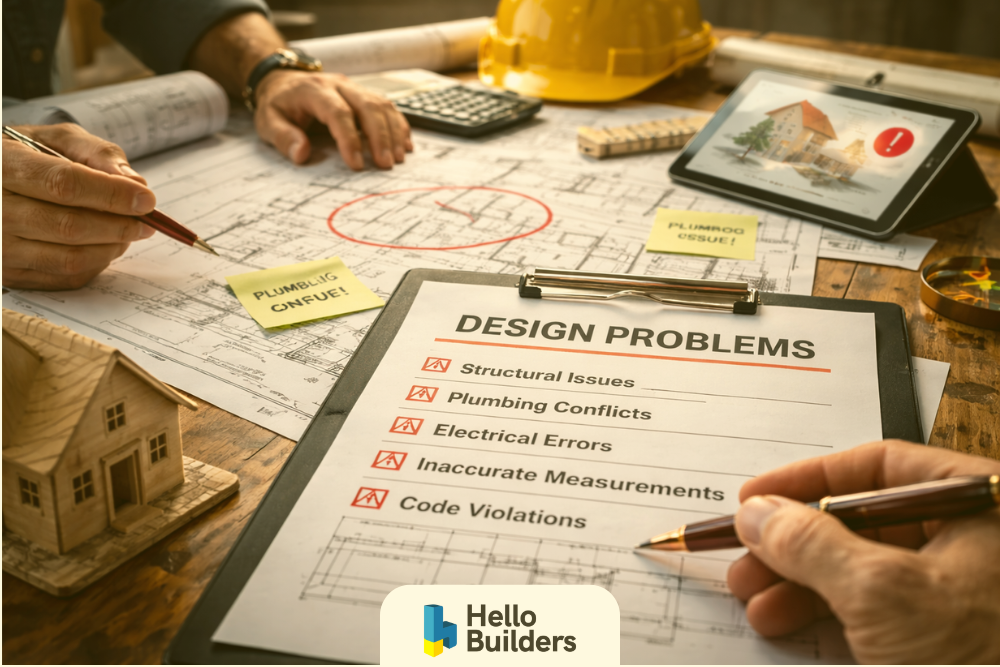
Building your dream home in Sri Lanka is exciting, but it can quickly turn stressful when unexpected design problems arise during construction. From misaligned layouts to material issues and coordination mishaps, these challenges can delay your project and inflate costs.
In this article, we explore the 10 most common reasons design problems appear during house construction and help you understand why they happen. So, we invite you to read our article to uncover what can go wrong, and why being aware of these issues early can save you time, money, and headaches.
1. Incomplete or Vague Initial Plans
One of the primary reasons design problems appear during house construction in Sri Lanka is starting without fully detailed plans. Incomplete or vague architectural and structural drawings create confusion on site, which can lead to mistakes and misalignments.
Why This Happens
- Unclear Layouts: When floor plans lack specifics, rooms may end up misaligned, poorly sized, or impractical for everyday use.
- Missing Measurements: Skipped or approximate dimensions for walls, openings, and ceilings can cause structural inconsistencies or clashes with other elements.
- Undefined Specifications: If materials, finishes, or design features aren’t clearly specified, contractors may make assumptions that deviate from the homeowner’s vision.
In short, incomplete plans leave room for interpretation. Without precise guidance, every minor decision becomes a potential source of errors, ultimately affecting the overall quality and coherence of the house design.
2. Changes During Construction
Design problems often arise when frequent changes are made during the construction process. Even small adjustments to the original plan can create conflicts that affect both the structure and the overall appearance of the house.
Why Changes Cause Problems
- Conflicting Designs: Modifications made without considering the existing plan can clash with structural elements like beams, columns, or load-bearing walls.
- Disrupted Workflow: Contractors may have to redo work or adjust installations mid-process, increasing the risk of mistakes.
- Hidden Consequences: A simple change to one part of the house, such as moving a door or window, can affect plumbing, electrical layouts, or roof alignments.
- Documentation Gaps: Without updating the drawings and instructions, construction teams may interpret the change differently, leading to inconsistencies and errors.
Ultimately, making changes during construction introduces complexity and increases the likelihood of design flaws, as the original carefully planned layout gets altered without proper coordination.
3. Lack of Coordination Between Professionals
Another common cause of design problems during house construction in Sri Lanka is poor coordination among the project’s key professionals. Architects, engineers, and contractors often work on different aspects of the build, and when communication is weak, the plans can clash.
Why Coordination Issues Cause Problems
- Misaligned Plans: Structural, electrical, plumbing, and interior layouts may conflict, such as beams blocking ducts or wiring interfering with wall designs.
- Overlapping Responsibilities: Without clear communication, multiple teams may make changes independently, leading to inconsistencies in the final construction.
- Delayed Problem Detection: Errors or conflicts are often noticed too late, after work has started, making corrections costly and time-consuming.
- Complex Designs: Modern homes with intricate designs require precise collaboration. Any lack of alignment between professionals can result in functional or aesthetic flaws.
In essence, when the different experts involved in building a house are not fully coordinated, even small miscommunications can turn into significant design problems.
4. Limited Experience of Contractors
Design problems during house construction in Sri Lanka can also stem from contractors who lack experience with modern architectural designs or newer construction materials. Limited expertise can make it difficult for them to interpret plans accurately or execute them correctly.
Why Limited Experience Leads to Design Problems
- Misinterpretation of Plans: Contractors unfamiliar with complex designs may misread drawings, leading to errors in dimensions, placements, or finishes.
- Incorrect Use of Materials: New materials often require specific handling or installation techniques. Inexperienced contractors may apply traditional methods, causing defects or compromising aesthetics.
- Improper Execution: Modern construction often involves precise detailing and coordination across multiple systems. Contractors without prior exposure may struggle to meet these requirements, resulting in structural or visual flaws.
- Overlooked Details: Small but critical elements like alignment, leveling, or integration of utilities can be neglected, affecting the overall quality of the house.
In short, when contractors lack experience, even well-designed plans can end up poorly executed, creating design problems that could have been avoided with proper expertise.
5. Budget Constraints
Financial limitations are a common reason design problems appear during house construction in Sri Lanka. When budgets are tight, compromises are often made on materials, workmanship, or design elements, which can affect both the structure and aesthetics of the home.
Here’s How Budget Constraints Can Lead to Design Problems
- Material Substitutions: Using cheaper or inappropriate materials instead of those specified in the plan can result in misalignment, reduced durability, or aesthetic inconsistencies.
- Simplified Designs: To cut costs, contractors or homeowners may simplify complex design elements, which can clash with the original architectural intent.
- Compromised Workmanship: Limited budgets can force faster construction or reduced attention to detail, increasing the likelihood of errors.
- Hidden Trade-Offs: Decisions made solely to save money may unintentionally affect structural integrity, finishing quality, or overall visual appeal.
In essence, when financial constraints drive unplanned compromises, even well-thought-out designs can face execution problems, leading to long-term issues in the home.
6. Site-Specific Challenges
Design problems can also emerge due to unique conditions at the construction site. Every plot of land has its own characteristics, and unexpected issues can force changes to the original design, sometimes creating functional or safety problems.
Why Site Conditions Cause Design Problems
- Soil Instability: Weak or uneven soil may require alterations to the foundation or structural supports, potentially affecting the layout or durability of the house.
- Slope or Terrain Issues: Sloped sites may necessitate retaining walls, stepped foundations, or design adjustments that can conflict with the original plans.
- Water Tables and Drainage: High water tables or poor drainage can require changes to basements, flooring, or plumbing systems, leading to unexpected design challenges.
- Hidden Obstacles: Rocks, old structures, or underground utilities discovered during excavation can force on-the-spot modifications that affect aesthetics and functionality.
In short, even the most carefully planned designs can run into problems if the construction site presents unforeseen challenges that weren’t fully considered during planning.
7. Regulatory and Approval Issues
Design problems can arise when a construction project doesn’t fully account for local regulations and approval requirements. In Sri Lanka, building codes, zoning rules, and permit conditions are mandatory, and failure to comply can force changes to the original design.
Why Regulatory Issues Lead to Design Problems
- Forced Design Changes: If plans don’t meet building code requirements, architects or contractors may have to modify layouts, structural elements, or heights during construction.
- Delays Affecting Execution: Waiting for approvals or having to redo rejected plans can disrupt timelines, causing rushed or incomplete work.
- Non-Compliance Adjustments: Adjustments to meet regulations, such as setbacks, floor area limits, or fire safety measures, can conflict with the intended aesthetic or functional design.
- Unexpected Expenses: Regulatory corrections often require additional materials or labor, which may indirectly affect design choices to stay within budget.
Essentially, ignoring or underestimating regulatory requirements can turn even well-planned designs into compromised versions, introducing functional or visual inconsistencies.
8. Poor Understanding of Design Intent
Design problems often occur when contractors or construction workers misinterpret the architectural or structural plans. This is especially common with complex designs or drawings that lack clarity, resulting in errors during execution.
Why Misunderstanding Happens
- Complex Designs: Intricate layouts, unusual shapes, or modern architectural elements can be difficult for construction teams to visualize from 2D drawings.
- Ambiguous Instructions: Vague notes or incomplete specifications leave room for interpretation, which can lead to deviations from the intended design.
- Communication Gaps: If architects, engineers, and contractors do not discuss the design in detail, critical nuances may be overlooked.
- Execution Errors: Misreading plans can result in incorrect placements, misaligned walls, improperly sized openings, or uneven finishes.
In short, even the best designs can fail in practice if the construction team does not fully understand the architect’s intent, leading to visible and structural inconsistencies.
9. Use of Low-Quality Materials
Design problems often arise when the materials used in construction do not match those specified in the plans. Substituting cheaper or incompatible materials can compromise both the structural integrity and the visual appeal of a house.
Why Low-Quality Materials Cause Problems
- Structural Weakness: Materials that don’t meet the required standards may fail under load, causing cracks, sagging, or other defects.
- Poor Fit and Finish: Substituted materials may not align properly with design elements, leading to uneven surfaces, gaps, or misaligned features.
- Durability Issues: Cheaper materials often wear out faster, affecting both the longevity and appearance of the house.
- Aesthetic Inconsistencies: Using substitutes that differ in color, texture, or quality from the original design can disrupt the overall look of the home.
In short, the choice of materials is critical. Even a well-planned design can be compromised if the construction uses low-quality or inappropriate materials.
10. Time Pressure
Design problems often occur when construction is rushed. Tight deadlines or pressure to complete the project quickly can lead to mistakes, overlooked details, and poor execution.
Why Time Pressure Leads to Design Problems
- Hasty Execution: Workers may skip essential steps or take shortcuts, resulting in misaligned structures, uneven finishes, or installation errors.
- Reduced Inspections: Limited time for quality checks increases the risk of unnoticed defects that affect both function and aesthetics.
- Stress on Coordination: Contractors and subcontractors under pressure may struggle to communicate effectively, leading to errors in implementing complex designs.
- Compromised Precision: Detailed elements like measurements, alignments, and material handling are more prone to mistakes when speed is prioritized over accuracy.
In short, insufficient time for careful planning and execution can turn even the most well-designed house plans into flawed realities.
How Can I Avoid Facing Design Problems That Could Appear During House Construction
Building a house in Sri Lanka is a significant investment, and avoiding design problems from the outset can save time, money, and stress. Design issues often arise from miscommunication, unclear plans, or unforeseen conditions, but careful preparation and proactive management can greatly reduce these risks.
Here’s how you can avoid facing these problems in general:
1. Develop Complete and Detailed Plans
Before any construction begins, ensure that your architectural and structural plans are comprehensive. Every room layout, wall measurement, plumbing route, electrical wiring, and finishing detail should be clearly defined. Detailed plans serve as the roadmap for everyone involved in the project, minimizing guesswork and reducing errors during construction.
2. Ensure Clear Communication Between Professionals
Architects, engineers, and contractors must be on the same page throughout the project. Regular meetings and updates help avoid misaligned designs and overlapping responsibilities. Clarifying roles and responsibilities ensures that structural, electrical, plumbing, and interior elements are fully coordinated, preventing conflicts later.
3. Stick to the Original Design Where Possible
Frequent changes during construction can disrupt the flow of work and cause unintended issues. While some adjustments may be necessary, avoid last-minute modifications unless absolutely required. Each change should be carefully evaluated for its impact on structure, materials, and aesthetics.
4. Work With Experienced Contractors
Choosing contractors with experience in modern construction techniques and materials reduces the risk of errors. Skilled professionals are better able to interpret complex plans, handle new materials, and execute the design as intended, ensuring the final result matches your vision.
5. Consider Site Conditions in Advance
Every construction site has unique characteristics, including soil quality, slope, drainage, and underground obstacles. Conduct thorough site surveys before starting construction to anticipate potential challenges. Planning for these conditions early prevents design compromises that could arise from unexpected site issues.
6. Comply With Local Regulations and Obtain Approvals
Ensure your design adheres to all local building codes, zoning regulations, and permit requirements. Non-compliance can force mid-construction changes that affect both function and appearance. Working with professionals familiar with Sri Lankan regulations ensures smoother approvals and fewer surprises.
7. Choose Materials Wisely
Using the correct materials specified in the design is essential for structural integrity and aesthetic consistency. Low-quality or incompatible materials can lead to defects, misalignments, or durability issues. Always verify the quality and suitability of materials before purchase.
Additional Tips
- Allow Adequate Time for Construction: Avoid rushing the process. Realistic timelines ensure careful execution, inspections, and coordination among teams.
- Regular Monitoring and Site Inspections: Frequent visits help catch minor issues before they escalate into major problems.
- Document Everything: Keep detailed records of plans, approvals, material choices, and modifications to minimize miscommunication.
- Avoid Overloading the Team: Ensure that contractors and workers have the resources and workforce needed to maintain quality.
- Educate Yourself About the Process: Understanding basic construction principles helps you spot potential issues early.
By following these steps, homeowners can significantly reduce the risk of encountering design problems. Careful planning, clear communication, and proactive oversight transform your construction project into a smoother process, helping you achieve a home that matches your vision and stands the test of time.
Need Help on Building Your Dream Home?
At Hello Builders, we specialize in turning your vision into reality through our expert consultations, high-quality construction services, modern designs, and skilled project management. From luxury villas to contemporary homes, we handle every step of the process with professionalism and attention to detail.
Here’s why Hello Builders is the trusted choice for homeowners in Sri Lanka:
- Expertise & Quality: We use certified materials and follow best practices to ensure your home is safe, durable, and stylish.
- Comprehensive Services: Architectural design, structural engineering, interior solutions, council approvals, and full project management(all under one roof).
- Customer-Focused Approach: We work closely with you to bring your dream home to life while respecting your budget and timeline.
Take the first step toward your perfect home today. Click below to get in touch with our team!
| Contact Us |
Final Thoughts
Design problems are a common challenge in house construction in Sri Lanka, arising from a range of factors such as incomplete plans, frequent changes, coordination gaps, budget limitations, site-specific issues, regulatory hurdles, and rushed timelines. Each of these issues, if overlooked, can lead to costly mistakes, structural defects, or aesthetic inconsistencies, turning what should be an exciting process into a stressful experience.
By understanding the most common reasons design problems occur, homeowners can approach their construction projects with greater awareness and foresight. Careful planning, clear communication among professionals, adherence to regulations, and the use of quality materials are crucial to ensuring that your home is built according to your vision.
Moreover, working with experienced contractors and monitoring the construction process closely helps prevent errors before they escalate.
Ultimately, anticipating these challenges and taking proactive steps to manage them can save time, reduce unnecessary expenses, and provide peace of mind. With the right approach, your dream home in Sri Lanka can be realized efficiently, safely, and beautifully, reflecting both your needs and your aspirations.
Key Takeaways
- Incomplete Plans Cause Errors: Vague or partial architectural and structural drawings create confusion and misalignments during construction.
- Frequent Changes Lead to Conflicts: Last-minute modifications can disrupt workflows, clash with existing structures, and increase mistakes.
- Coordination Between Professionals is Crucial: Miscommunication among architects, engineers, and contractors often results in functional and aesthetic design issues.
- Experience Matters: Contractors without sufficient experience with modern designs or materials are more likely to misinterpret plans and execute them poorly.
- Budget Constraints Can Compromise Quality: Cutting costs on materials or workmanship often leads to structural or visual inconsistencies.
- Site Conditions Influence Design: Soil instability, slopes, drainage, and hidden obstacles can necessitate design changes if not anticipated.
- Regulatory Compliance is Essential: Failing to adhere to building codes, zoning rules, or permit requirements can force mid-construction adjustments.
- Understanding Design Intent is Key: Misinterpretation of drawings or unclear instructions by workers can result in mistakes and deviations from the original vision.
- Material Quality Impacts Outcomes: Using low-quality or incompatible materials can cause defects, reduce durability, and affect aesthetics.
- Time Pressure Increases Risks: Rushing the construction process often leads to errors, reduced inspections, and compromised precision.
FAQs
How does poor soil testing cause house design problems in Sri Lanka?
Sri Lanka's varied terrain, from flood-prone lowlands to rocky highlands, demands geotechnical reports to choose pile or raft foundations. Skipping this results in tilting, cracks, or collapse during monsoons, with repairs costing up to 15% of the build budget.
Why do drainage issues arise during house builds in Sri Lanka?
Monsoon flooding in regions like Ratnapura or Gampaha overwhelms flat sites without sloped grading, perimeter drains, or soak pits. Designs ignoring topography lead to damp walls, erosion, and mold, often requiring costly retrofits.
What structural defects commonly appear mid-construction in Sri Lanka?
Bulging columns, beam cracks, and masonry wall misalignment occur from unlicensed masons using substandard mixes or ignoring verticality. These defects, noted in local studies, demand rework costing 5-10% extra.
How can ignoring permits create design problems for houses in Sri Lanka?
Building without Urban Development Authority (UDA) or local council approvals halts work, triggers fines, or forces demolition. It also blocks utilities like electricity, stranding incomplete designs.
What role does hiring unqualified contractors play in design flaws?
Local 'foremen' often skip engineering inputs, resulting in unsafe beams or poor space flow. Licensed firms ensure compliance with the National Building Code, avoiding legal rework.