
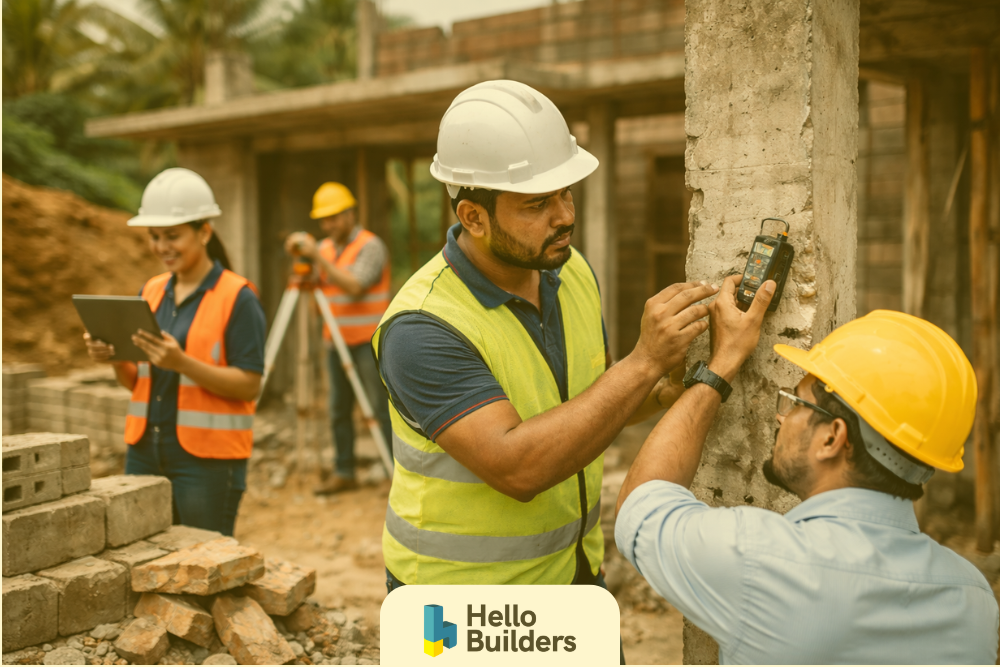
Building a house is one of the biggest investments you’ll make, and you naturally want it to be safe, strong, and long-lasting. But with so many decisions to make and potential risks involved, how can you be sure your home is built right? Don’t worry. We’ve got you covered with this article.
In this guide, we’ll show you exactly what genuine building contractors in Sri Lanka do to ensure your house is safe and durable. So, read on our article to learn 12 key actions they take, common mistakes to avoid, and how you, as a homeowner, can stay involved to protect your investment.
Why Safety and Durability Matter When Building a House
When you build a house, you’re not just creating a place to live. You’re making a long-term investment for yourself and your family. Safety ensures that your home can handle everyday use, harsh weather, and unexpected events without putting lives at risk. Durability means your house stays strong for years, reducing cracks, leaks, and costly repairs.
In Sri Lanka’s climate, where heavy rain, heat, and moisture are common, poor construction choices can quickly lead to serious problems. By focusing on safety and durability from the start, you protect your budget, your comfort, and your peace of mind for the future.
Now that you know why safety and durability matter when building a house, let’s find out what actions (12 actions) genuine building contractors in Sri Lanka take to ensure your house is safe and durable in general.
Action 1: They Start With a Detailed Site Inspection
Before construction begins, your contractor will thoroughly inspect the site to understand its strengths and potential risks. This step is crucial because the condition of your land directly affects the safety and durability of your house.
What the Site Inspection Covers:
- Soil strength and type: Determines the right foundation design.
- Ground stability: Checks for signs of erosion or weak areas.
- Drainage and water flow: Identifies areas prone to waterlogging or flooding.
- Natural hazards: Looks for risks like landslides or heavy water runoff.
Why This Matters to You
By starting with a detailed inspection, it ensures that:
- Your house is built on a strong, stable base.
- You reduce the risk of cracks, uneven floors, or water damage in the future.
- You get a foundation plan tailored to your land, ensuring long-term durability.
A careful site inspection may take time, but it saves you from costly repairs and structural problems later. When contractors do this step properly, you know your house starts off on the right foot, literally and figuratively.
Action 2: They Work With Qualified Engineers and Architects
To keep your house safe and durable, reliable contractors don’t work alone. They coordinate closely with qualified engineers and architects to follow proper structural designs and load calculations. This ensures your house can safely carry its own weight and withstand daily use and weather conditions.
When professionals handle the design and technical planning, mistakes that weaken the structure are avoided. By working with experts from the start, your contractor makes sure your house is built according to approved plans, not guesswork.
Action 3: Use Approved and High-Quality Building Materials
A genuine building contractor knows that the strength of your house depends heavily on the materials used. That’s why they choose approved cement, steel, bricks, and other materials that meet required standards. Yes, using low-quality or fake materials may reduce costs at the start, but it often leads to cracks, corrosion, and early damage as time passes.
By sourcing materials from trusted suppliers and checking quality before use, your contractor ensures your house remains strong, stable, and durable for years to come.
Action 4: Build a Strong and Stable Foundation
Your house is only as strong as the foundation beneath it, which is why experienced contractors give this stage special attention. They ensure the foundation has the correct depth and width based on the site inspection and structural plans. Steel reinforcement is installed in accordance with engineering specifications, and concrete is mixed and poured in accordance with safe standards.
Then, enough curing time is also allowed so the concrete gains full strength.
By building a solid foundation, your contractor protects your house from settlement issues, cracks, and long-term structural damage.
Action 5: Construct Columns, Beams, and Slabs Correctly
Columns, beams, and slabs carry the main load of your house, so contractors must build them with care and accuracy. They use the correct steel bar sizes, spacing, and bending details as shown in the structural drawings. Concrete is mixed in the right ratio and poured carefully to avoid weak spots or air gaps. Proper support and formwork are also used until the concrete gains strength.
When these structural elements are built correctly, your house becomes safer, stronger, and more resistant to long-term wear and stress.
Action 6: Follow Building Plans Without Shortcuts
A trustworthy contractor always sticks to the approved building plans and avoids taking shortcuts that could compromise safety. Every measurement, alignment, and design detail is carefully followed to ensure the structure is strong and stable. Any changes or adjustments are only made after consulting engineers or architects and getting proper approval.
By following the plans faithfully, your contractor makes sure your house is built exactly as designed, protecting both its durability and your investment.
Action 7: Maintain Quality Control at Every Stage
Reliable contractors keep a close eye on every step of construction to ensure work meets high standards. They regularly inspect each phase, from foundation to finishing, to catch mistakes early and prevent bigger problems later. Supervisors and engineers monitor workmanship, materials, and safety practices to ensure nothing is overlooked.
By maintaining strict quality control throughout the project, your contractor guarantees that your house remains safe, durable, and built to last.
Action 8: Protect the House From Weather Damage
In Sri Lanka, heavy rain, humidity, and heat can quickly damage a poorly built house. That’s why experienced contractors take steps to protect your home from weather-related problems. They design roofs to handle heavy rainfall, apply proper damp-proofing and waterproofing, and ensure good ventilation to prevent heat and moisture buildup.
By addressing these factors during construction, your contractor helps your house stay strong, dry, and comfortable for many years, even under challenging weather conditions.
Action 9: Install Safe Electrical and Plumbing Systems
A safe and durable house isn’t just about building walls and roofs. It also depends on properly installed electrical and plumbing systems. Skilled contractors ensure wiring follows safety standards, minimizing the risk of short circuits or electrical fires. Pipes are correctly placed and secured to prevent leaks and water damage.
By paying attention to these systems during construction, your contractor keeps your home functional, safe, and free from avoidable hazards that could cause costly repairs in the future.
Action 10: Follow Local Building Rules and Safety Standards
A reliable contractor always ensures your house meets all local building regulations and safety standards in Sri Lanka. They obtain the necessary approvals from local councils and authorities before and during construction. Regular inspections are conducted to confirm compliance at every stage.
By following these rules, your contractor ensures your house is legally safe to live in and built to standards that protect both its strength and your long-term investment.
Action 11: Carry Out Final Safety Checks Before Handover
Before handing over your house, a professional contractor conducts thorough final inspections to ensure everything is safe and in proper working order. Structural elements are checked for stability, electrical wiring is tested, and plumbing systems are verified for leaks. Any defects or issues are fixed before you move in.
These final safety checks give you peace of mind, knowing that your house is not only complete but also built to last.
Action 12: Guide Homeowners on Proper Maintenance
A trustworthy contractor doesn’t disappear after handing over the keys. They provide guidance on how to maintain your house to keep it safe and durable for years. This includes tips on regular cleaning, checking for leaks or cracks, and maintaining electrical and plumbing systems.
By following their advice, you can prevent small issues from turning into costly repairs, ensuring your home stays strong, comfortable, and reliable long into the future.
How You (as a Homeowner) Can Ensure Contractors Follow Safety Practices
Even when you hire a reliable contractor, your involvement as a homeowner plays a key role in ensuring your house is safe and durable. Here are some practical steps you can take:
1. Ask the Right Questions
Before and during construction, don’t hesitate to ask your contractor questions about the materials, techniques, and safety measures they’re using. Some questions to consider:
- Are the materials being used approved and high quality?
- How is the foundation being built to ensure stability?
- Who supervises the work at each stage?
Asking these questions helps you understand the construction process and ensures nothing is overlooked.
2. Request Regular Updates
Stay informed about the progress of your house by requesting regular updates from your contractor. This can include:
- Daily or weekly progress reports
- Photos of ongoing work
- Explanations of any changes to plans
Regular updates allow you to catch potential issues early and maintain accountability.
3. Check Materials and Workmanship
Even if you’re not an expert, you can still monitor the quality of materials and workmanship:
- Inspect materials delivered to your site for authenticity and standards.
- Observe how work is being carried out, such as proper placement of steel bars or correct concrete mixing.
- Take note of any shortcuts or deviations from the approved plans.
By staying proactive and involved, you help ensure that your contractor follows all safety practices and delivers a strong, durable home you can trust.
Common Mistakes That Reduce House Safety and Durability
Even small mistakes during construction can have long-term effects on the safety and durability of your house. Being aware of these common errors can help you prevent them.
1. Cutting Costs on Materials
Using cheaper or low-quality materials may save money upfront, but it can compromise the strength of your house. Substandard cement, steel, or bricks can lead to cracks, corrosion, and structural problems over time. Always insist on approved, high-quality materials to ensure your house lasts for decades.
2. Skipping Inspections
Skipping inspections at various construction stages is a risky shortcut. Each phase, from foundation to finishing, requires careful checks. Without these inspections, issues like improper reinforcement, poor concrete mixing, or hidden leaks can go unnoticed until they cause serious damage.
3. Rushing Construction Work
Rushing construction to save time often leads to mistakes. Concrete may not cure properly, structural elements may be poorly aligned, and safety measures can be ignored. A well-paced construction schedule allows contractors to maintain quality, follow safety standards, and deliver a durable home.
By avoiding these mistakes and staying involved throughout the building process, you increase the chances of having a safe, strong, and long-lasting home.
Need Help on Building Your Dream Home?
At Hello Builders, we specialize in turning your vision into reality through our expert consultations, high-quality construction services, modern designs, and skilled project management. From luxury villas to contemporary homes, we handle every step of the process with professionalism and attention to detail.
Here’s why Hello Builders is the trusted choice for homeowners in Sri Lanka:
- Expertise & Quality: We use certified materials and follow best practices to ensure your home is safe, durable, and stylish.
- Comprehensive Services: Architectural design, structural engineering, interior solutions, council approvals, and full project management(all under one roof).
- Customer-Focused Approach: We work closely with you to bring your dream home to life while respecting your budget and timeline.
Take the first step toward your perfect home today. Click below to get in touch with our team!
| Contact Us |
Final Thoughts
Building a safe and durable house in Sri Lanka doesn’t happen by chance. It requires careful planning, quality materials, skilled workmanship, and attention to every stage of construction. By working with experienced contractors who follow proper inspections, approved designs, and safety standards, you can ensure your home stands strong for years to come.
As a homeowner, staying involved by asking the right questions, checking materials, and monitoring progress makes a significant difference in the outcome. Avoiding common mistakes like cutting corners, skipping inspections, or rushing construction further protects your investment.
When you choose the right team and remain proactive throughout the building process, you don’t just get a house. Additionally, you get a home that is safe, durable, and ready to provide your family with comfort and peace of mind for decades.
Key Takeaways
- Safety and durability are essential when building a house, protecting both your family and long-term investment.
- A detailed site inspection ensures your house is built on a stable, strong foundation.
- Working with qualified engineers and architects prevents design errors and structural weaknesses.
- Using approved, high-quality materials ensures long-lasting strength and reduces future repairs.
- Correct construction of foundations, columns, beams, and slabs is critical for structural stability.
- Following approved building plans without shortcuts protects the integrity and durability of your home.
- Quality control at every stage helps catch issues early and maintain construction standards.
- Weather protection measures, such as proper roofing, waterproofing, and ventilation, prevent long-term damage.
- Safe electrical and plumbing installations reduce hazards and ensure functionality.
- Homeowner involvement, like asking questions, requesting updates, and checking workmanship, enhances safety and ensures a durable, high-quality home.
FAQs
How do contractors prevent termite damage in Sri Lankan homes?
Chemical soil treatment, treated timber, and concrete barriers are standard. Regular inspections ensure long-term protection in tropical climates.
How is quality control maintained during house builds in Sri Lanka?
Regular site inspections, third-party testing of materials, and stage-wise certifications by engineers ensure compliance with plans and standards.
Are building permits mandatory for house construction in Sri Lanka?
Yes, approvals from Urban Development Authority (UDA) and local councils are required before starting. They verify plans against codes for safety and zoning.