
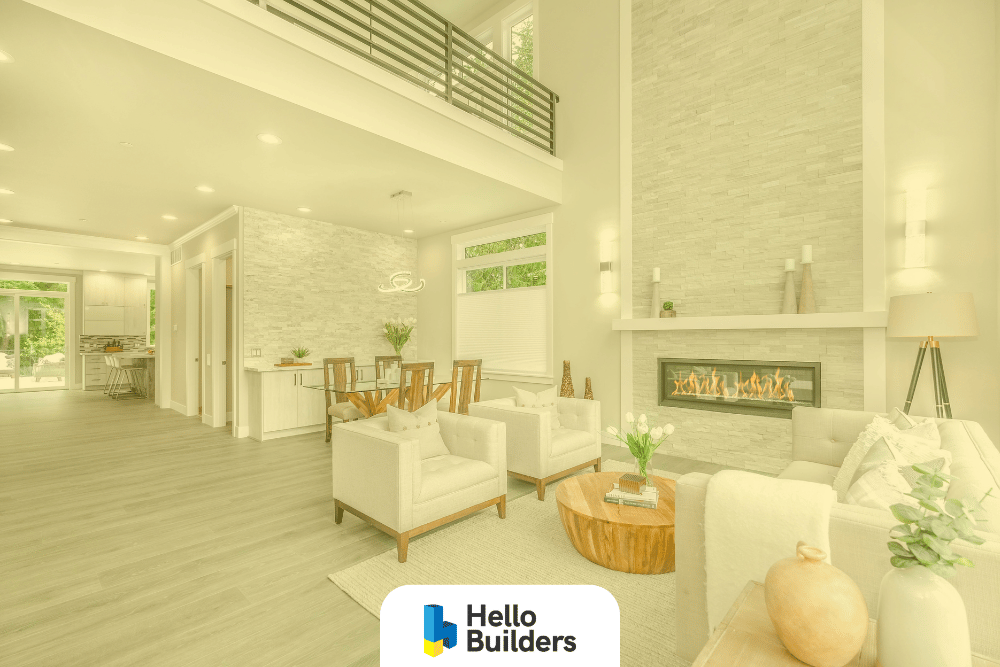
Building or renovating a home in Sri Lanka means dealing with strong sunlight, rising heat, and high electricity costs. The good news is that smart design can fix most of these issues before they even start.
In this article, we’ll walk you through seven practical design tips that can help you keep your home cooler, brighter, and more comfortable all year round. If you want a home that feels fresh without depending too much on AC or extra lighting, keep reading, as these tips will guide you in the right direction.
Tip 1: Orient Your Home Smartly
The direction your home faces plays a big role in how hot or cool it feels. In Sri Lanka’s tropical climate, the sun is strongest from the east and west. That’s why experts recommend placing the long sides of your house along the east–west line. This simple step reduces direct sunlight hitting your walls and helps keep indoor temperatures lower.
You can also use Sri Lanka’s natural wind patterns to your advantage. The country gets steady monsoon winds at different times of the year. By planning your home to face these natural breezes, you can improve airflow without relying on fans or air conditioning.
Furthermore, make sure to place windows on opposite sides of rooms to create cross-ventilation. When air enters from one side and exits from the other, it cools your home naturally. This reduces trapped heat and keeps your living spaces fresh throughout the day.
Tip 2: Use Deep Overhangs and Shaded Roofs
Strong sunlight is one of the main reasons homes heat up quickly in Sri Lanka. A practical way to control this is by adding deep overhangs, verandas, or wide eaves around your home. These features block direct sunlight from hitting your walls and windows, especially during the hottest hours of the day. As a result, your rooms stay cooler without needing extra cooling systems.
Here, your choice of roofing material also matters. Light-coloured or reflective roofs absorb far less heat than darker ones. This means less heat enters your home, making it more comfortable even during peak daytime temperatures. Cool roofing materials can noticeably lower indoor temperatures and reduce your electricity use.
For even better cooling, consider a ventilated or “double-skin” roof. This design creates a small air gap beneath the outer roofing layer. Hot air rises and escapes through this space instead of entering your home. It’s a simple but highly effective way to keep your home cooler throughout the year.
Tip 3: Design for Natural Ventilation
Good natural ventilation can make your home feel cooler without relying heavily on fans or AC. One of the easiest ways to improve airflow is by using louvred windows or adjustable vents. These allow fresh air to enter even during rain, which is ideal for Sri Lanka’s tropical climate. You can keep your home ventilated without worrying about water coming in.
Additionally, creating high ceilings or clerestory windows also helps a lot. Hot air naturally rises, and these features give it a way to escape. This process, known as the stack effect, keeps rooms cooler and reduces the amount of warm, trapped air inside your home.
Furthermore, the way you plan the inside of your home matters too. Air needs a clear path to move. So, avoid placing too many walls or solid barriers that block airflow. Try to align doors and windows so wind can pass through the house easily. A well-planned layout lets fresh air flow freely, making your home feel cooler and more comfortable throughout the day.
Tip 4: Pick the Right Materials
The materials you choose for your home have a big effect on how much heat it absorbs. Light-coloured or reflective finishes on walls and roofs help reduce heat buildup. These surfaces reflect more sunlight instead of soaking it in, which keeps the inside of your home cooler throughout the day.
Using breathable, local materials is another smart choice. Clay bricks, natural stone, and similar materials allow your walls to “breathe,” helping moisture escape and improving overall comfort. These materials are well-suited for Sri Lanka’s climate because they stay cooler for longer and make your rooms feel more balanced in temperature.
Additionally, the use of thermal mass can also work in your favour when used correctly. Materials like masonry can absorb heat during the day and release it slowly later on. But it’s important to pair them with proper insulation so that the heat doesn’t move indoors during the hottest hours.
With the right mix, thermal mass can help stabilise indoor temperatures and keep your home pleasant all day long.
Tip 5: Use Smart Window Design for Light (Without Overheating)
Windows are the main source of natural light, but they can also bring in a lot of heat if they’re not planned well. Adding shading devices (like adjustable louvers, fins, or vertical screens) helps control how much sunlight enters your home. These features block harsh rays while still allowing soft daylight to brighten your rooms.
Here, the size and placement of windows also matter. Windows facing north or south bring in gentle, diffused light, which is perfect for keeping your home bright without overheating. So , try to avoid placing large windows directly on the east or west sides, as they receive strong, direct sunlight that can quickly warm up your interiors.
Furthermore, you can also improve indoor brightness by using light-reflecting surfaces or mirrors. These bounce natural light deeper into the room, reducing the need for artificial lighting during the day. With the right window design, you can enjoy plenty of daylight while keeping your home cool and comfortable.
Tip 6: Add Green Elements
Adding greenery around your home is one of the easiest and most natural ways to keep it cool. Trees and plants provide shade, reduce direct sunlight, and help lower the surrounding temperature. Even a few well-placed trees can block harsh sun and create a cooler outdoor environment that benefits your indoor spaces as well.
Green roofs and vertical gardens are also great options. These features cover parts of your home with plants, which act as an extra layer of insulation. They reduce heat absorbed by the roof or walls and improve overall comfort inside the house. Plus, they add a fresh and peaceful look to your space.
Furthermore, including courtyards or interior light wells is also a smart way to add more green elements within your home. They let in daylight and fresh air while reducing direct heat. These open areas act as natural cooling pockets, helping air move through the house more easily. With the right green elements, you can enjoy a cooler home and a more relaxing environment year-round.
Tip 7: Use Energy‑Efficient and Passive Systems
Energy-efficient choices can help keep your home cool while lowering your monthly electricity bills. A simple change like switching to LED lights makes a big difference. LEDs give off far less heat compared to traditional bulbs, which helps your rooms stay cooler, especially at night.
Instead of relying only on air conditioning, use ceiling fans together with natural ventilation. Fans use much less electricity and work well when your home already has good airflow. This combination keeps your home comfortable without driving up energy costs.
Furthermore, you can also use passive systems like rainwater harvesting. Collecting and storing rainwater helps create a cooler microclimate around your home. When used for gardening or outdoor areas, it reduces heat buildup and supports the green elements that naturally cool your surroundings.
By choosing energy-efficient and passive systems, you get a home that’s cooler, more sustainable, and cheaper to maintain.
Need Help Deciding Whether To Build Or Buy Your Dream Home?
At Hello Builders, we specialize in turning your vision into reality through our expert consultations, high-quality construction services, modern designs, and skilled project management. From luxury villas to contemporary homes, we handle every step of the process with professionalism and attention to detail.
Here’s why Hello Builders is the trusted choice for homeowners in Sri Lanka:
- Expertise & Quality: We use certified materials and follow best practices to ensure your home is safe, durable, and stylish.
- Comprehensive Services: Architectural design, structural engineering, interior solutions, council approvals, and full project management(all under one roof).
- Customer-Focused Approach: We work closely with you to bring your dream home to life while respecting your budget and timeline.
Take the first step toward your perfect home today. Click below to get in touch with our team!
| Contact Us |
Final Thoughts
Keeping your home cool and bright in Sri Lanka doesn’t have to be difficult or expensive. With the right design choices, you can reduce heat, improve natural airflow, and enjoy more daylight without relying heavily on AC or artificial lighting. The seven tips in this guide show how small changes in layout, materials, shading, and greenery can make a big difference in your comfort and energy use.
Whether you’re building a new home or upgrading your current one, planning ahead will save you money and create a healthier living space. A well-designed home not only feels better to live in but also stays comfortable throughout the year.
By following these practical ideas, you can create a home that stays cool, bright, and suited to Sri Lanka’s climate for many years to come.
Key Takeaways
- Orient your home east–west to reduce direct sunlight and take advantage of natural breezes.
- Place windows on opposite sides to maximize cross-ventilation.
- Use deep overhangs, verandas, or wide eaves to block harsh sunlight from walls and windows.
- Choose light-coloured or reflective roofing and wall materials to reduce heat absorption.
- Incorporate breathable local materials like clay bricks or natural stone for better thermal comfort.
- Use high ceilings, clerestory windows, and open layouts to allow hot air to escape naturally.
- Design windows with shading devices and proper placement to get daylight without overheating.
- Add greenery such as trees, courtyards, and green roofs to naturally cool your home.
- Use energy-efficient systems like LED lights and ceiling fans combined with natural ventilation.
- Implement passive systems like rainwater harvesting to create a cooler microclimate and reduce energy use.
FAQs
How can I make my home brighter without increasing heat?
Use light, neutral colors on walls and ceilings to reflect sunlight, incorporate reflective surfaces like mirrors, and use sheer curtains to allow natural light while blocking direct heat.
Which window treatments are effective for heat control in tropical climates?
Thermal blinds, reflective window films, and automated blinds that adjust based on the time of day can effectively reduce heat gain while maximizing ventilation.
Can landscaping help keep a home cool?
Absolutely. Planting deciduous trees provides shade in summer and lets sunlight in during winter. Large potted plants near windows also help block direct sunlight and reduce heat gain.
How does natural ventilation help cool a house in Sri Lanka?
Proper ventilation allows hot air to escape and cooler air to enter, reducing indoor temperatures naturally. Designing cross ventilation through window placement can maximize cooling effects.
What colors should I avoid painting my home to keep it cool?
Avoid dark and intense colors as they absorb more heat, raising indoor temperatures. Opt instead for whites, creams, pastels, and other light shades.
How can I balance keeping my home cool and energy efficient?
Combine insulation (like ceiling insulation), reflective window films, shading (awnings, blinds), and energy-efficient LED lighting to minimize heat gain while using less energy for cooling.
What role does window size and placement play in keeping a home cool?
Smaller windows on sun-facing walls reduce heat gain, and windows positioned to encourage cross